

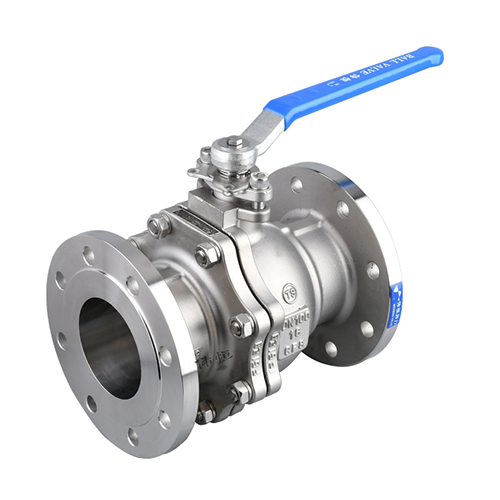
Choosing Between Electric and Pneumatic Intelligent Control Valves: A Technical Comparison
Industry Background and Market Demand
The global demand for intelligent control valves continues to rise, driven by industrial automation, energy efficiency regulations, and the need for precise fluid control in sectors such as oil and gas, water treatment, and chemical processing. Electric and pneumatic actuation remain the two dominant technologies, each offering distinct advantages depending on operational requirements.
Electric control valves, powered by servo or stepper motors, are increasingly favored for applications requiring high precision and digital integration. Meanwhile, pneumatic valves, which rely on compressed air, remain prevalent in hazardous environments due to their intrinsic safety and rapid response. The choice between the two depends on factors like energy availability, environmental conditions, and system compatibility.
Core Concepts and Key Technologies
Electric Intelligent Control Valves
Electric actuators convert electrical energy into mechanical motion, enabling precise positioning through feedback mechanisms such as encoders or potentiometers. Modern variants integrate IoT-enabled sensors and programmable logic controllers (PLCs), allowing for remote monitoring and adaptive control.
Pneumatic Intelligent Control Valves
Pneumatic actuators use compressed air to generate linear or rotary motion. Their simplicity and fail-safe mechanisms make them ideal for explosive atmospheres (ATEX compliance) or high-cycle operations. Advanced models now incorporate smart positioners with HART or Foundation Fieldbus protocols for real-time adjustments.
Product Structure and Performance
Electric Valves
- Materials: Stainless steel or aluminum housings; PTFE or elastomer seals for chemical resistance.
- Performance: High accuracy (±0.1% of full scale), slower actuation (seconds to minutes), and lower torque compared to pneumatic systems.
- Manufacturing: Precision-machined components with IP66/IP67 ratings for dust/water resistance.
Pneumatic Valves
- Materials: Anodized aluminum or reinforced polymers; nitrile diaphragms for durability.
- Performance: Faster response (milliseconds), higher force output, but susceptible to air supply quality.
- Manufacturing: Modular designs with ISO 5211 mounting standards for easy retrofitting.
Critical Factors Affecting Quality
1. Environmental Conditions: Electric valves excel in clean, stable environments, while pneumatic systems handle extreme temperatures and corrosive atmospheres better.
2. Energy Efficiency: Electric actuators consume power only during movement, whereas pneumatic systems require continuous air compression.
3. Maintenance: Pneumatic valves need regular lubrication and air filtration; electric valves require minimal upkeep but are costlier to repair.
Supplier Selection Criteria
- Certifications: ISO 9001, SIL (Safety Integrity Level), and industry-specific standards (API 607 for fire-safe valves).
- Customization: Ability to modify stroke length, torque, or communication protocols (e.g., Modbus, Profibus).
- Lead Time: Suppliers with local assembly hubs reduce delivery delays for critical replacements.
Common Challenges and Industry Pain Points
- Electric Valves: High upfront costs and sensitivity to voltage fluctuations.
- Pneumatic Valves: Air leaks and pressure drops degrade performance over time.
- Interoperability: Retrofitting legacy systems with smart valves often requires additional gateways.
Application Scenarios
- Electric: Pharmaceutical batch processing (precision dosing), HVAC systems (modulating flow).
- Pneumatic: Offshore drilling (explosion-proof requirements), food packaging (high-speed cycling).
Trends and Future Outlook
1. Hybrid Systems: Combining electric precision with pneumatic fail-safety for critical processes.
2. Predictive Maintenance: AI-driven analytics to detect valve degradation via vibration or current signatures.
3. Sustainable Designs: Lightweight composites and energy-recovery mechanisms in pneumatic systems.
FAQ
Q: Can pneumatic valves achieve the same precision as electric ones?
A: With advanced positioners, pneumatic valves can reach ±0.5% accuracy, but electric valves remain superior for sub-millimeter control.
Q: Which type is more cost-effective for high-cycle applications?
A: Pneumatic valves typically offer longer lifespans in high-cycle roles due to fewer moving parts.
Q: How do I choose between analog and digital control interfaces?
A: Digital (e.g., Profinet) suits smart factories; analog (4–20 mA) is sufficient for standalone systems.
By evaluating operational demands and lifecycle costs, engineers can select the optimal valve technology to balance performance, safety, and total cost of ownership.
Tel: +86 577 8699 9257
Tel: +86 135 8786 5766 /+86 137 32079372
Email: wzweiheng@163.com
Address:No. 1633, Yidaoba Road, Binhai Industrial Park, Wenzhou City, Zhejiang Province

वीचैट स्कैन करें
यह वेबसाइट यह सुनिश्चित करने के लिए कुकीज़ का उपयोग करती है कि आपको हमारी वेबसाइट पर सर्वोत्तम अनुभव मिले।
 English
 Español
 Portugues
 Pусский
 Français
 Deutsch
 한국어
한국어 العربية
 Italiano
 ไทย
ไทย Türk dili
 Melayu
 Tiếng Việt
 dansk
dansk қазақ
қазақ বাংলা
বাংলা українська
 Filipino
 o'zbek



 टेलीफ़ोन
टिप्पणी
(0)