

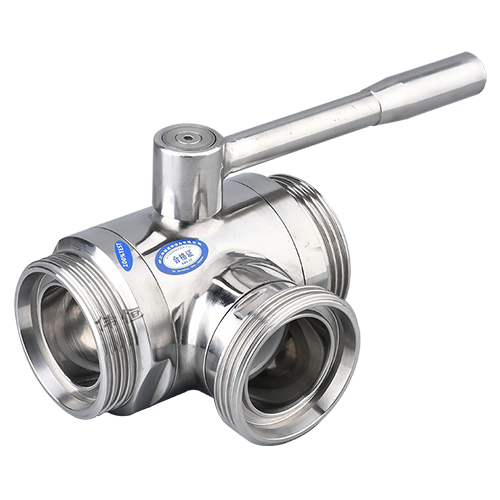
Control Valve Selection Tips with Fluorine-Lined Linings: A Technical Guide
Industry Background and Market Demand
The chemical processing, pharmaceutical, and petrochemical industries rely heavily on control valves to manage corrosive and high-purity fluid flows. Traditional metallic valves often fail under aggressive media, leading to frequent maintenance and operational downtime. Fluorine-lined (e.g., PTFE, PFA, FEP) control valves have emerged as a preferred solution due to their superior chemical resistance, longevity, and cost-effectiveness in corrosive environments.
Market demand is driven by stricter environmental regulations, the need for extended valve life, and the growing adoption of high-purity processes in semiconductor and biotechnology sectors. As industries shift toward more sustainable operations, fluorine-lined valves offer a balance between performance and compliance.
Core Concepts: Fluorine-Lined Control Valves Explained
Fluorine-lined control valves feature a corrosion-resistant polymer lining bonded to a metallic body (typically carbon steel, stainless steel, or alloy). The lining material—PTFE (polytetrafluoroethylene), PFA (perfluoroalkoxy), or FEP (fluorinated ethylene propylene)—provides inertness against acids, alkalis, and solvents.
Key advantages include:
- Chemical Resistance: Withstands highly corrosive media (e.g., sulfuric acid, chlorine, hydrofluoric acid).
- Temperature Stability: Operates in a range of -50°C to 200°C, depending on the lining material.
- Low Permeability: Minimizes fluid absorption, ensuring purity in sensitive applications.
Product Structure, Materials, and Manufacturing
1. Valve Construction
- Body: Typically ASTM A216 WCB or CF8M stainless steel for structural integrity.
- Lining: Applied via rotational molding, spray coating, or isostatic pressing for uniform thickness.
- Trim Components: Stem, seat, and disc may be lined or made of corrosion-resistant alloys (Hastelloy, titanium).
2. Lining Materials Comparison
| Material | Max Temp. | Chemical Resistance | Flexibility |
|----------|----------|---------------------|------------|
| PTFE | 200°C | Excellent | Low |
| PFA | 260°C | Superior | Moderate |
| FEP | 200°C | High | High |
3. Manufacturing Process
Quality depends on:
- Surface Preparation: Grit blasting for adhesion.
- Lining Application: Isostatic pressing ensures uniform density.
- Curing: Controlled heating prevents cracks or delamination.
Key Factors Affecting Performance
1. Lining Thickness – Too thin (risk of permeation); too thick (reduced flexibility). Optimal: 2–5 mm.
2. Temperature Cycling – Rapid changes may cause liner fatigue. PFA performs better than PTFE.
3. Pressure Ratings – Lined valves typically handle ≤16 bar; reinforced designs may reach 25 bar.
4. Flow Characteristics – Liner smoothness impacts Cv (flow coefficient) and cavitation risk.
Supplier Selection Criteria
When sourcing fluorine-lined control valves, consider:
- Certifications: ISO 9001, ASME B16.34, FDA compliance (for sanitary applications).
- Testing Protocols: Hydrostatic, bubble-tightness, and permeation tests.
- Customization: Ability to modify lining thickness, flange standards, or actuator compatibility.
- After-Sales Support: Availability of spare liners and repair services.
Common Industry Challenges
1. Liner Delamination – Caused by poor bonding or thermal stress.
2. Limited Pressure Tolerance – Not suitable for ultra-high-pressure systems.
3. Brittleness at Low Temperatures – PTFE becomes prone to cracking below -50°C.
4. Cost vs. Lifespan – Higher upfront cost but lower TCO (total cost of ownership) due to reduced maintenance.
Applications and Case Studies
1. Chemical Processing
A European chlor-alkali plant replaced metallic valves with PFA-lined valves, reducing downtime by 40% and eliminating HCl-induced corrosion.
2. Pharmaceutical
A biotech firm adopted PTFE-lined valves for sterile processing, meeting FDA purity requirements with zero leaching.
3. Water Treatment
Fluorine-lined valves in wastewater systems resist chlorine and ozone, extending service life beyond 10 years.
Current Trends and Future Outlook
1. Smart Valves – Integration with IoT for predictive maintenance.
2. Hybrid Linings – Combining PTFE with ceramic coatings for abrasive slurries.
3. Sustainable Materials – Bio-based fluoropolymers in development.
FAQ
Q: Can fluorine-lined valves handle abrasive slurries?
A: Standard linings may wear quickly; reinforced PTFE or PFA with fillers (e.g., carbon) improves abrasion resistance.
Q: How often should lined valves be inspected?
A: Annual checks for liner integrity, with more frequent monitoring in high-temperature cycles.
Q: Are lined valves suitable for steam service?
A: Limited to low-pressure steam (<6 bar); PFA is preferable over PTFE.
Conclusion
Selecting the right fluorine-lined control valve requires balancing chemical compatibility, pressure/temperature limits, and supplier reliability. With advancements in materials and smart monitoring, these valves will continue to dominate corrosive fluid handling, offering long-term operational efficiency.
(Word count: 1,280)
Tel: +86 577 8699 9257
Tel: +86 135 8786 5766 /+86 137 32079372
Email: wzweiheng@163.com
Address:No. 1633, Yidaoba Road, Binhai Industrial Park, Wenzhou City, Zhejiang Province

वीचैट स्कैन करें
यह वेबसाइट यह सुनिश्चित करने के लिए कुकीज़ का उपयोग करती है कि आपको हमारी वेबसाइट पर सर्वोत्तम अनुभव मिले।
 English
 Español
 Portugues
 Pусский
 Français
 Deutsch
 한국어
한국어 العربية
 Italiano
 ไทย
ไทย Türk dili
 Melayu
 Tiếng Việt
 dansk
dansk қазақ
қазақ বাংলা
বাংলা українська
 Filipino
 o'zbek



 टेलीफ़ोन
टिप्पणी
(0)